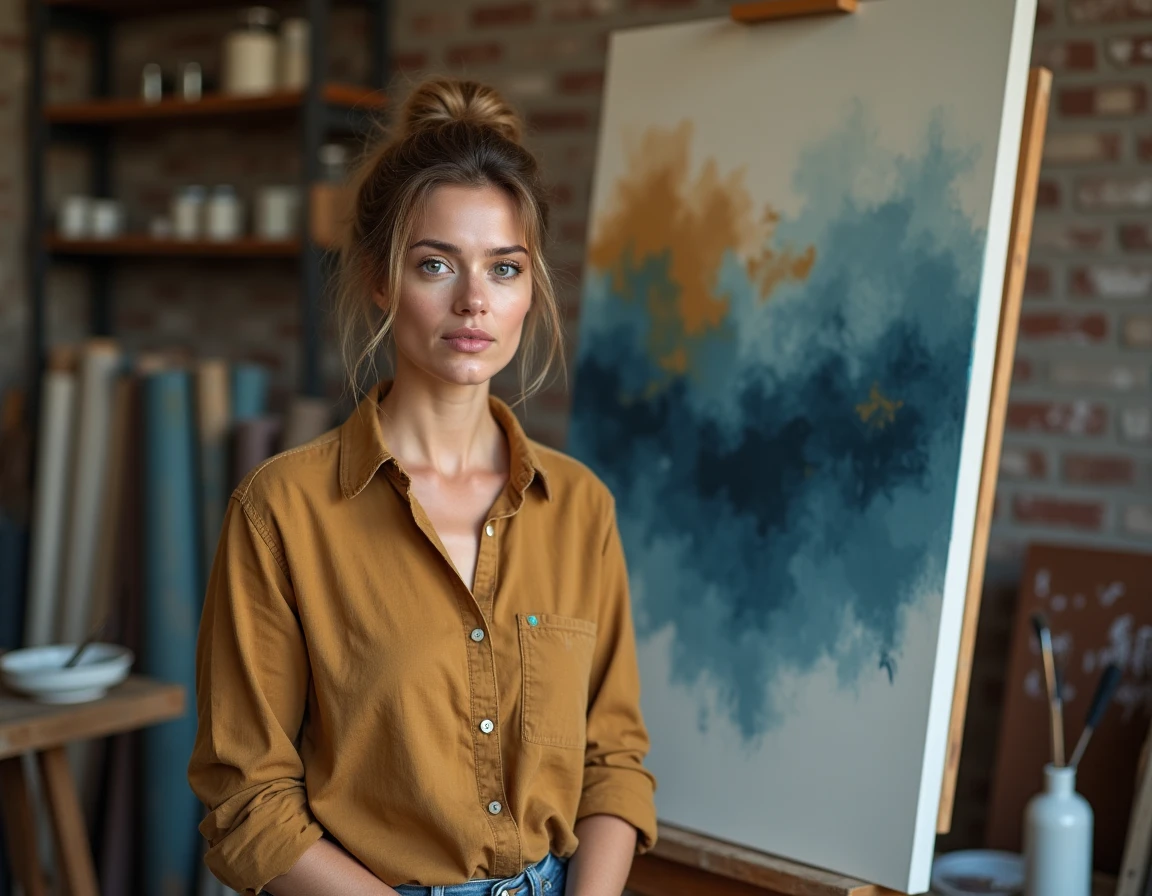
Béatrice Vonderweidt is a former Parisian model who became a painter and photographer. Her journey illustrates a unique trajectory in the French artistic landscape: that of a woman who transitioned from the status of muse, observed and photographed, to that of a creator who composes her own images and canvases.
What the Perspective of Modeling Brings to Painting
Most articles dedicated to Béatrice Vonderweidt treat modeling as a mere biographical step. The subject deserves to be approached differently: the years spent in front of the camera constitute a complete visual training.
Posing for a fashion photographer means learning to decode light, the composition of a frame, and the relationship between a body and a background. This visual culture acquired in front of the lens directly nourishes her work as a painter. The transition from one side of the image to the other is not a rupture, but a transfer of skills that is rarely analyzed.
By retracing the journey of Béatrice Vonderweidt as a painter, we can gauge how much knowledge of posing, shadow play, and staging has influenced her pictorial practice. The transition to artistic creation has not erased modeling: it has extended it through other means.
Béatrice Vonderweidt as a Painter: Sobriety and Introspection as Signatures
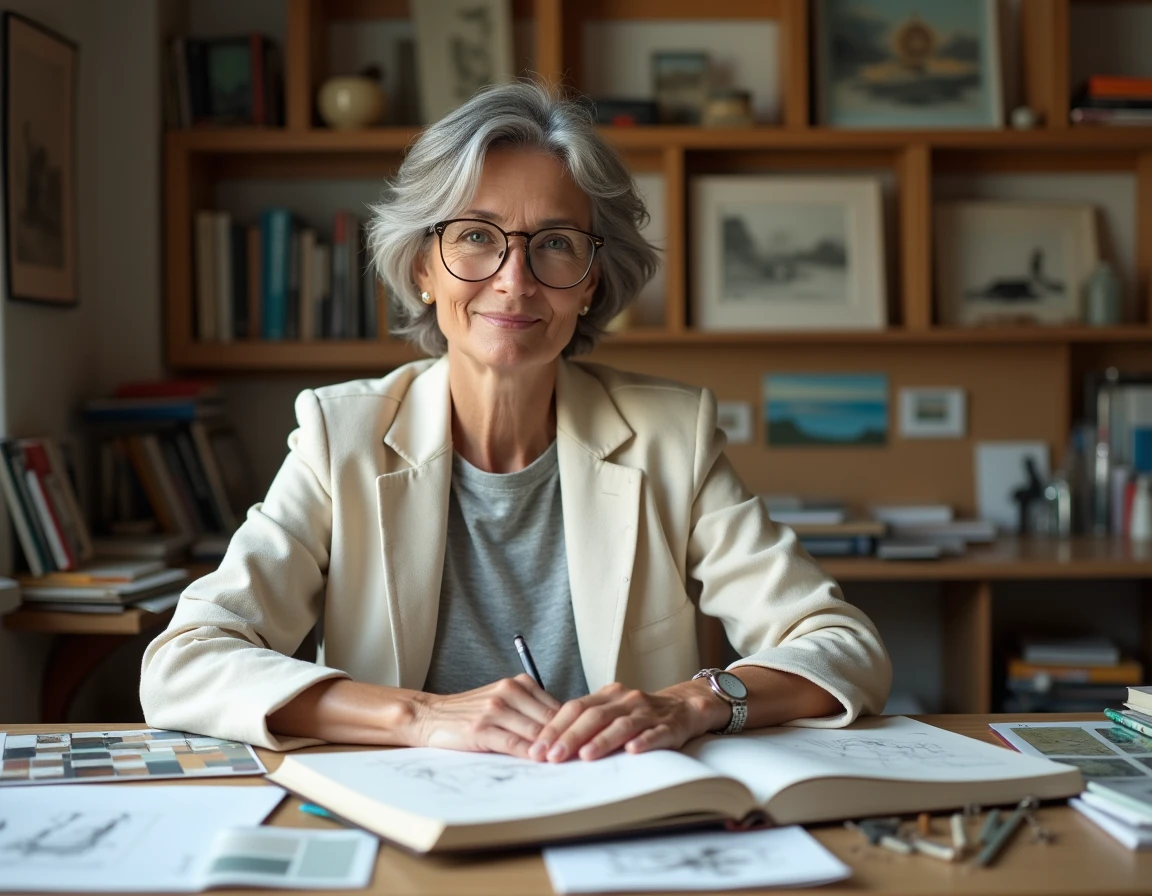
The painting style attributed to Béatrice Vonderweidt is characterized by a sober and introspective approach. Several sources describe canvases where restraint prevails over brilliance, where the gesture is discreet rather than demonstrative.
The sobriety of her compositions contrasts with the spectacular world of fashion. This contrast seems deliberate. Where modeling requires projecting an image outward, Béatrice Vonderweidt’s painting invites an inverse movement: a retreat into introspection.
Painting and Photography as Complementary Practices
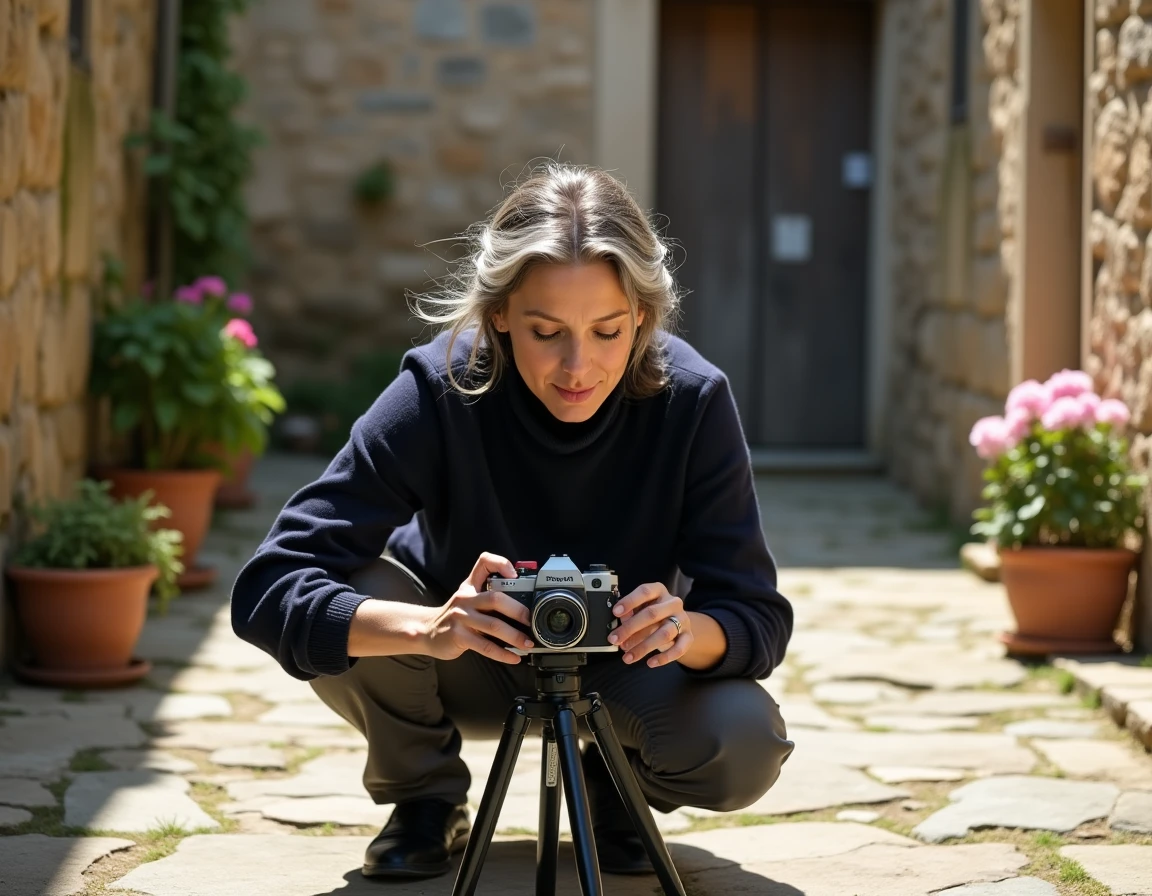
The title “painter and photographer” is not insignificant. Associating these two disciplines within the same artistic approach implies a constant dialogue between photographic framing and the freedom of the brush. Photography captures a moment, while painting reinterprets it.
This back-and-forth between two mediums allows for working on the same subject from two distinct technical angles:
- Photography imposes constraints of natural light, focal length, and framing that structure the gaze rigorously.
- Painting offers the possibility to distort, abstract, or slow down what the photo has captured in a fraction of a second.
- The alternation between the two mediums creates a back-and-forth between documentary precision and personal interpretation, a balance that few artists maintain over time.
Cosmopolitan Life Between Paris, Tel Aviv, and the Mediterranean
Béatrice Vonderweidt has shared her life between several cities, notably Paris and Tel Aviv. This geography is not anecdotal for understanding her artistic work. Each place carries a light, a color palette, and an atmosphere that mark a painter’s production.
Paris offers diffuse light, subtle grays, and an omnipresent pictorial heritage in museums and galleries. Tel Aviv provides a radical contrast: harsh brightness, saturated whites, and Mediterranean energy.
This dual exposure to opposing visual environments has likely fueled the tension between restraint and intensity that observers perceive in her canvases. Living between two visual cultures means having an expanded artistic vocabulary.
Artistic Discretion and Online Visibility: A Contemporary Paradox
Béatrice Vonderweidt remains a discreet figure. She has not sought media notoriety, and her name circulates more in connection with that of her partner, lawyer Gilles-William Goldnadel, than through her own artistic activity.
This discretion raises a question pertinent to contemporary creation. Digital visibility is not a reliable indicator of the value of a work. Some artists produce coherent work for decades without ever appearing in recommendation algorithms.
Right to Image and Respect for Privacy
The CNIL reminds us that republishing a photo of a person who is not a public figure in the strict sense constitutes personal data processing. French law maintains full protection of privacy for individuals whose notoriety is primarily built online, without public function or media mandate.
This legal framework directly concerns how content related to Béatrice Vonderweidt is published. Alt tags, image captions, and file names containing a person’s identity fall within the scope of the right to image, not just the photograph itself.
- The status of “public figure” cannot be inferred simply from being mentioned in online articles.
- Case law examines whether the publication serves a debate of general interest or primarily aims at traffic capture.
- In the event of a removal request, the associated technical elements (metadata, tags, file names) must also be deleted.
Béatrice Vonderweidt’s journey from modeling to painting and photography remains that of an artist who has chosen to let her canvases speak for her. In a digital environment saturated with self-promotion, this stance constitutes in itself a form of artistic declaration.