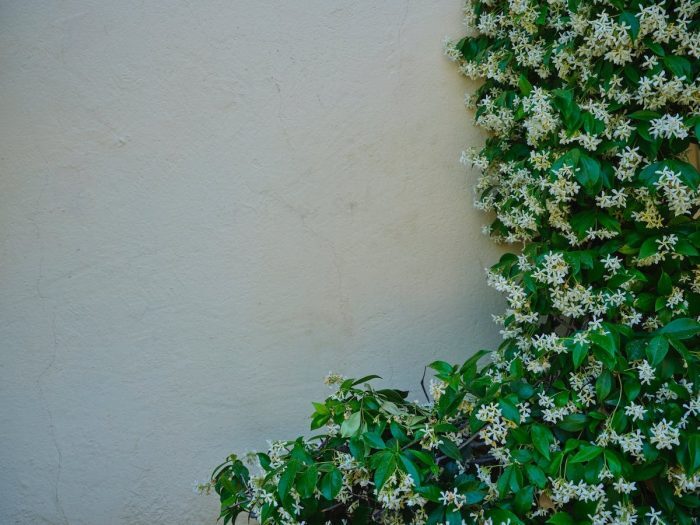
The culture of star jasmine, an iconic climbing plant with its fragrant white flowers, requires a certain expertise for optimal growth. This practical guide provides relevant advice to both amateur and experienced gardeners to help them understand the needs of this exquisite plant. The focus is on how to sow, plant, and encourage the growth of star jasmine. Tips for making it climb aesthetically are included in this guide. This manual is a valuable tool for those looking to beautify their outdoor space with this charming and fragrant plant.
Discover star jasmine: beauty and fragrance
Choosing the right location is crucial to ensure a healthy and vigorous growth of your star jasmine. This climbing plant, although robust, requires a number of specific conditions to develop properly. An ideal location would be a sunny spot that receives at least six hours of direct sunlight per day.
A well-drained soil is also essential to prevent issues such as root rot. Star jasmine prefers soils rich in organic matter. Regular applications of compost or organic fertilizer can help maintain soil fertility.
The next step is to install an adequate support for your star jasmine to climb on. This is where the concept of ‘jasmine trellis’ comes into play. The term refers to using a trellis as a support to allow the jasmine to climb and thrive.
Opt for a weather-resistant metal or wooden trellis that is tall enough, as this plant can reach an impressive height when grown under optimal conditions.
Also, ensure that this jasmine trellis is securely anchored in the ground so that it can support the growing weight of the plant without any issues.
Keep in mind that the space between the trellis bars should be wide enough to allow the star jasmine to insert its flexible tendrils, but also close enough to provide plenty of secure holds during its upward growth.
Once these elements are taken into account, you will create not only an environment conducive to the flourishing health of your jasmine but also a visually captivating scene with this unique arrangement of ‘jasmine trellis’, transforming any ordinary corner into an exquisite garden with the bright white and highly fragrant flowers generously covering your climbing plants throughout the warm months.
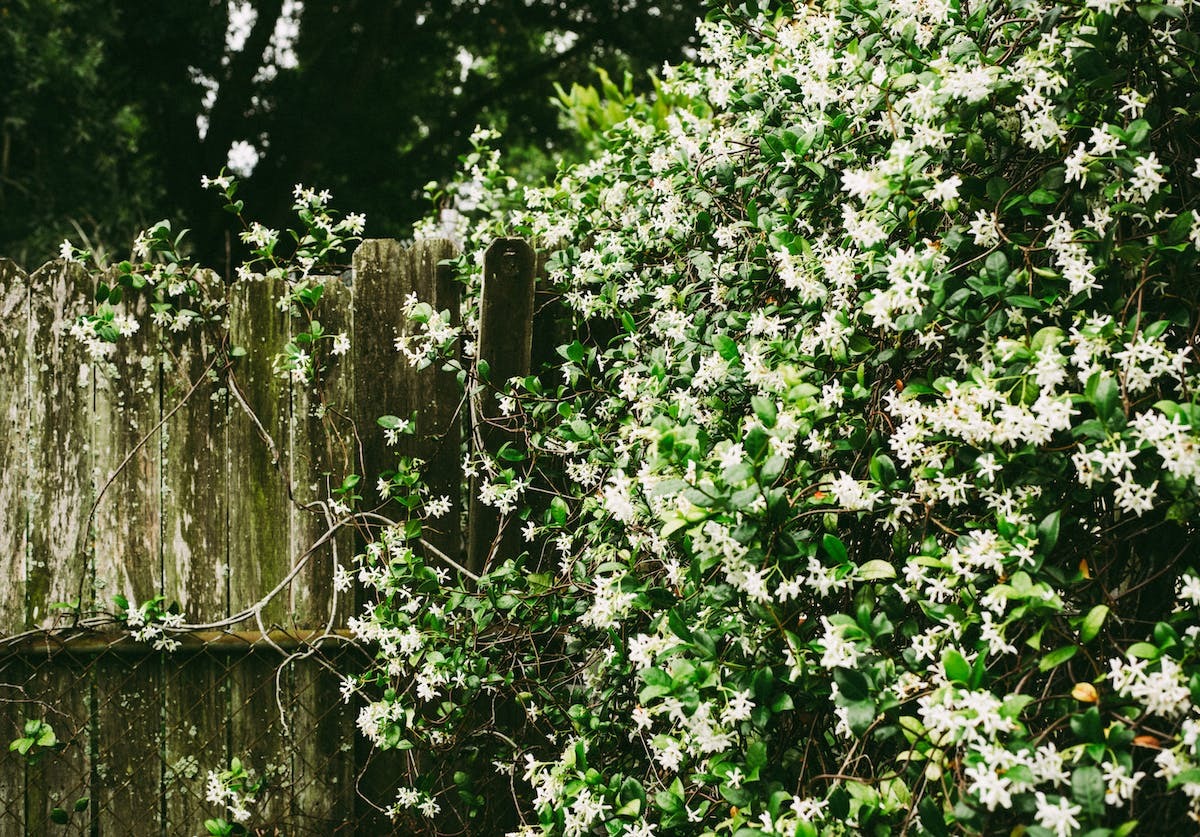
Find the ideal location for your star jasmine
Once you have prepared the soil and installed the appropriate support, it’s time to move on to the crucial step of planting star jasmine. Before proceeding, make sure you have thoroughly studied the specific characteristics of this climbing plant.
The ideal time to plant star jasmine is in spring or autumn when temperatures are mild. Start by digging a hole that is twice as wide and deep as the size of the root ball. This will allow the jasmine’s roots enough space to develop.
As for the spacing between plants, leave about 1.5 to 2 meters between each plant so they have enough space to thrive without interfering with each other. Also, be careful not to plant your jasmine too close to existing structures such as walls or fences, as this could hinder its growth.
When removing the young plant from the container in which it was purchased, handle it carefully to avoid damaging its fragile roots. Then gently place the root ball in the previously dug hole and fill it with a combination of rich organic potting soil and your native soil. Lightly pack around the plant to ensure a good hold.
After completing this essential operation of the actual planting, water your star jasmine generously to provide initial hydration. Afterwards, maintain a regular but moderate watering throughout the growing season to prevent the soil from completely drying out.
Don’t forget to apply organic mulch around the plant to help retain soil moisture and reduce invasive weeds. This will also create a protective barrier that shields the jasmine’s roots from extreme temperatures.
By following these simple yet essential steps, you will be able to properly prepare your soil and successfully plant your star jasmine. Invest extra time and effort during this initial phase, and you will be rewarded with a magnificent abundant bloom and an enchanting fragrance that will fill your garden or terrace throughout the year.
Prepare the soil and successfully plant your star jasmine
Once your star jasmine is in place, be sure to provide it with the necessary care and maintenance so it can thrive and beautify your garden. Here are some practical tips for taking care of this exquisite climbing plant.
Be sure to maintain a regular watering schedule, especially during dry periods. The star jasmine needs moist but not waterlogged soil to develop properly. Check the soil moisture regularly by inserting your finger into the soil to about 5 cm deep. If you feel that the soil is dry at that depth, it’s time to water.
When watering, make sure to thoroughly wet the entire root system of the star jasmine. Prefer direct watering at the base rather than spraying the leaves, which can encourage the development of fungal diseases.
In terms of fertilization, provide a moderate dose of nitrogen-rich fertilizer in spring to stimulate the vegetative growth of the star jasmine. Choose a fertilizer specifically formulated for flowering climbing plants and carefully follow the manufacturer’s instructions.
Pruning also plays an essential role in the maintenance of the star jasmine. Be sure to regularly prune the plant to maintain its shape and promote healthy growth. The best time to do this is after flowering, usually at the end of spring or the beginning of summer. Remove dead, damaged, or misdirected stems to aerate the foliage and stimulate the production of new flowers.
To encourage optimal vertical development, gently tie the stems of the star jasmine to the support you installed during planting. Use soft plastic ties or plant ties that won’t damage the delicate stems. Ensure that the branches are evenly distributed on the support to prevent them from crossing and interfering with each other.
Protect your star jasmine from common pests such as aphids and spider mites by regularly inspecting the foliage. If you spot signs of infestation, use a natural solution like insecticidal soap diluted in warm water to eliminate these pests without harming the environment.
By carefully following these simple yet essential care and maintenance tips for the star jasmine, you will be rewarded with a spectacular explosion of fragrant flowers that will beautify your outdoor space with its unmatched charm. Fully enjoy this enhancement while creating an environment conducive to the growth of this magnificent and delicate climbing plant.
Take care of your star jasmine: tips and tricks
The star jasmine, also known as Trachelospermum jasminoides, is a climbing plant that can reach impressive heights. But for it to fully thrive in your garden, it needs proper pruning.
Pruning the star jasmine should be done with care and precision. It involves removing dead or damaged branches as well as those growing in an undesired direction. To do this, equip yourself with a sharp pruner to avoid damaging the plant’s fragile stems.
The ideal time to prune the star jasmine is in late winter or early spring, before its active growth begins. This will allow the plant to regenerate more easily and encourage the abundant appearance of new flowers afterwards.
Start by removing the dead branches by cutting close to the point where they join a living branch or directly at their origin on the main trunk. Identify misdirected or overly invasive stems and cut them just above a lateral bud in the desired direction.
Be sure to maintain a balance between removing unwanted parts and preserving the main branches necessary for the plant’s structural integrity. Excessive pruning can cause visual disorder and affect the plant’s ability to produce flowers abundantly.
Once you have finished pruning, remember to clean and disinfect your cutting tools to prevent any potential disease spread. Use a clean cloth soaked in alcohol or a specially designed antiseptic solution for this purpose.
In addition to regular maintenance, it is also recommended to provide some extra care for the star jasmine throughout the year. For instance, feel free to fertilize the soil around the plant with a nutrient-rich organic fertilizer to promote its vigorous growth.
Similarly, be sure to water your star jasmine well during dry periods so it does not suffer from a lack of water. Avoid overwatering, which could lead to root rot or the development of fungal diseases.
Properly pruning your star jasmine will greatly contribute to maintaining its health and beauty. By following these simple yet essential tips, you will have all the keys to cultivate and successfully make this exquisite climbing plant thrive in your garden.
Prune your star jasmine for optimal growth
The star jasmine, despite its beauty and robustness, can sometimes encounter certain problems in its development. You need to identify them quickly to provide the appropriate solutions.
One common problem that the star jasmine may face is infestation by insects such as aphids or whiteflies. These pests feed on the plant’s sap and can cause overall weakening and deterioration of the foliage’s appearance.
To remedy this problem, you can resort to natural methods such as using soapy water to manually remove the insects or even calling on natural predators like ladybugs that feed on aphids.
Another threat to the star jasmine is the presence of fungi such as powdery mildew or rust. These fungal infections typically manifest as white spots on the foliage or a rusty appearance on certain parts of the plant.
To treat these infections, you need to use suitable antifungal products while strictly adhering to the recommended dosages.
The last common problem encountered with the star jasmine is related to poor flowering. If your plant is not producing enough flowers, it may be due to a lack of light or excessive fertilization.
In this case, ensure that your star jasmine receives at least 6 hours of direct sunlight per day and reduce the amount of fertilizer used to avoid excessive foliage growth at the expense of flowers.
By following these simple yet effective tips, you will be able to resolve the common problems that your star jasmine might face. Don’t hesitate to regularly observe your plant to detect any abnormal signs and act quickly to preserve its health and natural beauty.
Common problems with star jasmine: how to solve them
Beyond the specific problems that the star jasmine may face, it is essential to consider certain key aspects for successful cultivation.
Pruning plays a crucial role in maintaining a healthy and aesthetically pleasing star jasmine. This climbing plant needs to be regularly pruned to control its growth and stimulate the formation of new shoots.
Pruning should be done after flowering, removing dead or damaged stems as well as branches that cross or encroach on the surrounding space. This will allow the star jasmine to maintain a harmonious shape while promoting better air circulation between the stems.
Beyond pruning, watering is a key element to consider when cultivating star jasmine. Water without waterlogging. Using organic mulch around the base of the jasmine will help retain moisture and limit sudden temperature fluctuations.
Let’s not forget the importance of fertilization to ensure vigorous growth of the star jasmine. Regular applications of balanced fertilizer will promote root development and stimulate the abundant formation of flowers.
It is recommended to use a fertilizer specifically formulated for flowering plants, rich in nutrients such as nitrogen, phosphorus, and potassium. Application should be done in spring, before the flowering period, as well as in autumn to support the plant’s winter preparation.
By following these various key steps, you will be able to successfully cultivate your star jasmine and fully enjoy its aesthetic and olfactory benefits thanks to its delicate fragrance that will fill your garden or balcony.